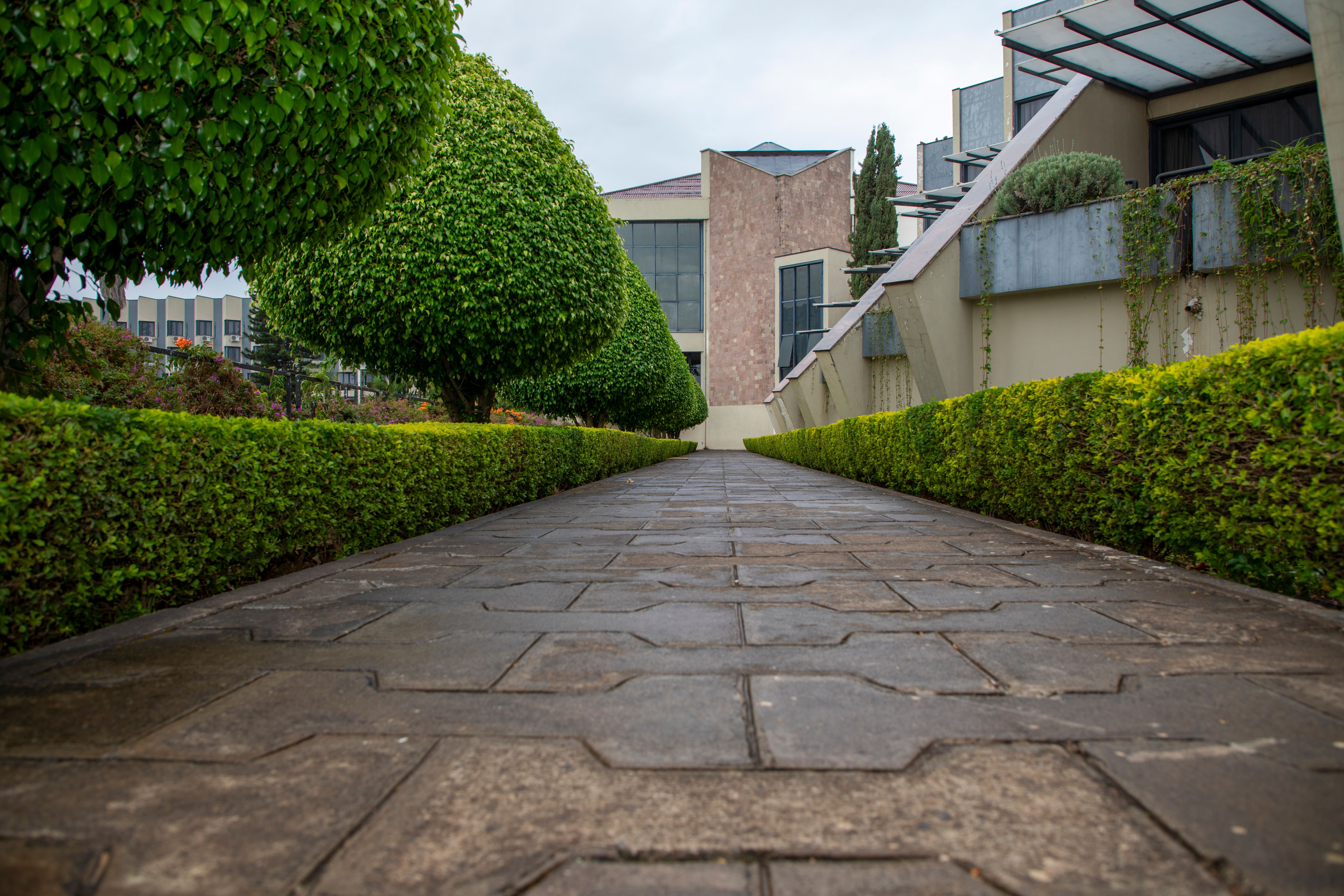
At a glance
A hedge that's a little untidy may only need a light trim. A hedge that is too tall, wide or overgrown might call for a more considered reduction. They are different jobs, with different risks and prices.
What is a routine trim?
Trimming normally removes younger growth to keep a hedge close to an existing shape. It can help define boundaries and maintain a neat appearance. The ideal timing and frequency depend on the plant.
What is a reduction?
A reduction aims to alter height or width more substantially. Thick stems, awkward access and the hedge's condition may make it more time-consuming. Not every species tolerates cutting into older wood.
Why the plant matters
The RHS explains that many conifers do not respond well to severe cuts into old wood, while some deciduous hedges can tolerate more renovation. Avoid promising that a drastically cut hedge will quickly recover.
What about wildlife and waste?
Active nests must not be damaged. A larger reduction may produce far more clippings, which need a clear on-site or lawful off-site disposal arrangement agreed in the quote.
A better quotation
Send photographs from a safe distance, approximate length and height, access and whether you want a light tidy or a smaller hedge. Ask about a hedge quote.
What information makes the quote more useful?
Say whether you want the hedge kept to its current outline or made substantially lower or narrower. Approximate height, length, thickness and access are all useful. Tell the provider whether the hedge overhangs a path, is close to a wall or has difficult access from neighbouring land. Photos of the whole run are usually more informative than one close-up.
Discuss the result you can realistically expect
Some reductions expose older stems or create temporary bare patches. Species, growing conditions and the amount removed affect regrowth. It is better to agree a realistic result before work than assume the hedge will immediately look dense after a drastic cut. The RHS recommends assessing the plant and, for certain major renovations, spreading work across seasons.
Frequently asked questions
Can every hedge be cut back hard?
No. Species and condition matter. Some conifers cannot regenerate from old bare wood after severe cutting, so a substantial reduction needs assessment.
What measurements help with a reduction quote?
Approximate height, length, thickness, required reduction and access are useful. Wide photographs can help, but the work and any active nests still need appropriate assessment.
Further reading
Further reading from UK organisations:
Planning practical help?
Home Help Direct focuses on everyday household and garden jobs, and friendly company. We do not provide personal care or nursing.
Ask about your practical needs